Invisalign® for Teens
Omaha:
(402) 496-9733
Bellevue:
(402) 291-0528


Invisalign® is a modern approach to straightening teeth that prioritizes discretion, comfort, and predictable results. Using a series of clear, removable aligners, the system moves teeth in planned stages so you can keep living your life while improving your smile. Many patients choose clear aligners because they blend into daily routines without the visual or physical presence of traditional braces.
Invisalign® for Teens

Invisalign® for Brides

Invisalign® for Travelers
Before & After Photos
Invisalign® Videos
FAQs
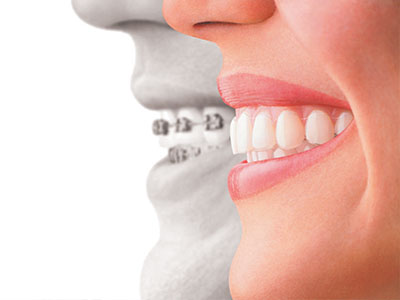
Invisalign® vs Braces
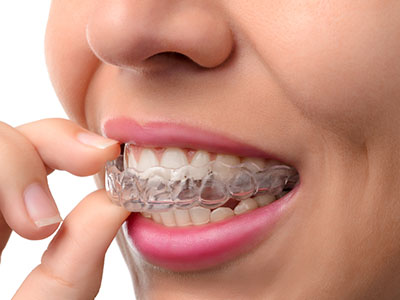
Invisalign® vs Direct-To-Consumer Aligners
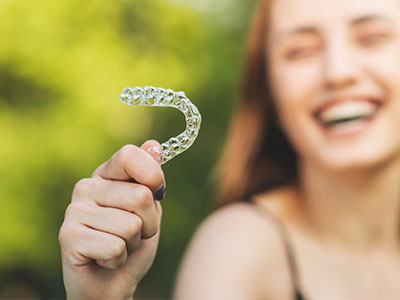
Is Invisalign® Right For Me?

Invisalign® Costs
Because aligners are made from a nearly invisible, smooth plastic, they are an appealing option for adults and teens who want orthodontic improvement without drawing attention. The appliances sit closely against the teeth and are designed to be worn most of the day, removed only briefly for eating and oral hygiene. This combination of effectiveness and convenience is why clear aligners have become a widely accepted method for addressing many common alignment concerns.
Behind the simplicity of each aligner is precise, computer-assisted planning. Clinicians map tooth movement in small, controlled steps and then manufacture a correspondingly sequenced set of aligners. Each tray is slightly different from the previous one, gently guiding teeth toward their intended positions. The end result is a stepwise transformation that can be closely monitored and adjusted in the hands of a trained orthodontic team.
For those concerned about comfort, modern aligner materials and careful design reduce irritation and pressure points compared with older removable appliances. Attachments and fine-tuned staging are used when needed to help the aligners achieve specific movements without introducing unnecessary bulk. The goal is steady, comfortable progress with minimal disruption to speech, sports, or social life.
Because this approach depends on consistent wear and a well-planned path of movement, selecting a provider with experience in clear aligner therapy is important. A thorough evaluation and a customized plan help ensure predictable outcomes and a positive experience throughout treatment.
Today's clear aligner systems rely on digital scans and three-dimensional modeling to visualize the full course of tooth movement before treatment begins. These scans capture precise tooth and jaw relationships, allowing clinicians to simulate different approaches and select the sequence that best meets aesthetic and functional goals. This level of planning increases predictability and reduces surprises during treatment.
Because the treatment sequence is mapped out in advance, clinicians can anticipate potential challenges and design aligners that address rotations, spacing, or bite discrepancies efficiently. Planning also helps determine whether additional orthodontic tools—such as precision attachments or interproximal reduction—will be beneficial. These adjuncts are selected to complement aligner therapy, not to complicate it.
Another advantage of digital planning is improved communication. Patients can see visualizations of their projected results and better understand how each stage contributes to the final outcome. This transparency helps set realistic expectations and makes it easier for patients to stay engaged in their care.
Ultimately, thoughtful planning paired with clinical expertise creates a smoother process and a clearer path to a healthy, well-aligned smile.

The first visit is an opportunity to evaluate oral health, bite relationships, and the feasibility of aligner therapy. During this exam, the clinician reviews dental and medical history, performs a focused intraoral assessment, and identifies any conditions that should be addressed before orthodontic movement begins. This step ensures that aligner treatment is appropriate and safe for each individual patient.
Discussion during the consultation covers what treatment can realistically achieve and how it integrates with a patient's lifestyle. Clear aligner therapy is adaptable, but it is not a one-size-fits-all solution. Understanding a patient’s priorities—whether they are aesthetic, functional, or both—guides the development of a tailored plan.
Impressions or digital scans are typically taken at the consult or during a follow-up appointment to capture the exact geometry of the teeth and bite. These records form the foundation for the treatment simulation and the custom-fabricated aligners that follow.
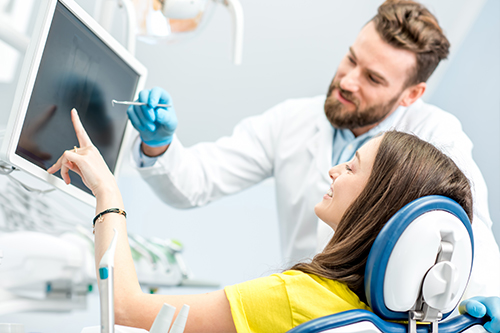
Once digital records are collected, the treatment team creates a staged plan that illustrates how teeth will move over time. This simulation is reviewed carefully and adjusted as needed to align clinical objectives with patient expectations. The use of digital tools allows for precise control of tooth movement throughout the process.
Patients often appreciate seeing a visual preview of the intended result, which helps them feel involved and informed. While projected outcomes are models rather than guarantees, they are valuable for setting clear, realistic goals and for tracking progress at key milestones.
Because each case is unique, the number of aligners, the timing of attachments, and the schedule of follow-up visits are determined during this planning stage. The plan always prioritizes safe, controlled movement that respects the biology of how teeth and supporting tissues respond to force.
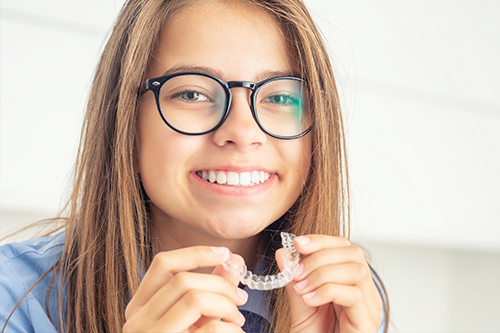
Custom aligners are fabricated from high-grade, medical plastics engineered for clarity, strength, and a close fit. Each tray is manufactured to the specific contours of a patient’s teeth so that forces are distributed predictably. When attachments are used, they help the aligner engage particular teeth to produce rotations or other movements that require additional control.
Comfort is an important consideration in aligner design. Edges are smoothed and the aligner thickness is calibrated to balance comfort with effectiveness. These refinements reduce irritation to soft tissues and improve wearer tolerance, which in turn supports consistent use—one of the main drivers of successful outcomes.
Because aligners are removable, patients maintain normal brushing and flossing routines without the obstacles of fixed brackets and wires. This can contribute to better oral hygiene during treatment, provided patients follow recommended wear guidelines and care instructions from their provider.

After treatment begins, periodic check-ins allow the clinician to confirm that tooth movement is proceeding as planned and to make adjustments if necessary. These visits are also a chance to address questions about fit, wear time, or day-to-day care. Good communication between patient and provider helps keep progress on track.
Adherence to the prescribed wear schedule is essential—consistent use enables each successive aligner to achieve its intended effect. Providers give clear instructions about how long each tray should be worn and when to transition to the next one in the sequence. Practical tips for handling aligners, travel, and maintenance are part of routine care.
When active movement is complete, a retention strategy is typically recommended to preserve the outcome. Retainers are personalized to the patient’s needs and help maintain the alignment achieved through treatment. A thoughtful retention plan is a natural extension of responsible orthodontic care.
Short videos can be a helpful way to see how aligner therapy works and to learn practical tips for successful wear.
*Invisalign® is a registered trademark of Align Technology, Inc.
At Longo Dietz Orthodontics, we focus on clear communication, careful planning, and personalized care to help each patient achieve a healthy, confident smile with aligner therapy. If you’d like to learn more about how clear aligners could address your orthodontic goals, please contact us for additional information or to schedule a consultation.
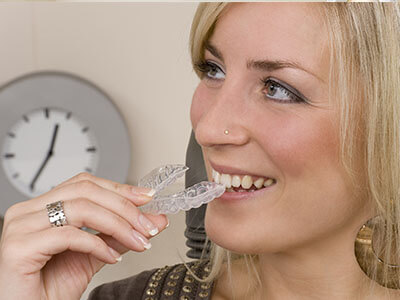
There are many options for patients who want to avoid metal braces! The most popular alternative orthodontic treatment is Invisalign®, which are clear plastic aligners designed to straighten teeth. After an examination of your teeth, your dentist will determine which option is best suited to your wants and needs.
According to the Invisalign® website, the cost for treatment is approximately the same as the cost for metal braces. A portion of this cost may be covered by your insurance. Please call us to set up a consultation and discuss potential payment plan options.
The first step is to schedule a consultation with your doctor, so they can devise a treatment plan that is best suited to your individual dental needs. Once approved, you will receive your first set of aligners. Your doctor will then regularly monitor the movement of your teeth and new aligners will be ordered according to the progress made in your treatment plan.
Invisalign® aligners are made of clear, flexible plastic. The company received a patent for this material – SmartTrack® – to be used exclusively for Invisalign treatment purposes. These aligners are FDA approved and nearly invisible!
Your doctor will give you an estimate regarding how long your Invisalign® treatment should take, which will depend on your specific needs. The average length of time for treatment is approximately 12-18 months. However, some patients may see results far sooner. Remember to wear your aligners exactly as instructed by your doctor to obtain the best results.
Your doctor will most likely recommend that you wear retainers following your Invisalign® treatment. This is a precaution that will prevent your teeth from shifting back to their original positioning. It is important to follow your doctor's instructions exactly to ensure long-lasting results.
You must wear your aligners for up to 22 hours daily. You may remove them for eating, drinking and regular oral hygiene.
No. Unlike braces, you may eat whatever you like as long as you remove the aligners before eating. Prior to placing the aligners back on, it is important to brush your teeth and the aligners after you eat.
Like any orthodontic treatment, there is a short adjustment period. The more you speak with the aligners on, the quicker you will adjust.
There will be some pressure and minor discomfort for a day or two after each initial insertion. This is a sign that your teeth are moving sequentially into their final position.
It is recommended that you remove your aligners prior to chewing gum as the gum will stick to the aligners.
We discourage smoking with aligners as the cigarette smoke will tend to discolor them.
Brushing them with toothpaste will keep them fresh and clean.
Regular office visits are every five to six weeks. This will ensure that your Invisalign treatment is progressing as planned.
All orthodontic patients are instructed to wear their retainers at night indefinitely. Sleeping with your retainers in at night will ensure a healthy bite and maintain the new position of your teeth.
Yes, if their teeth, including second molars, have grown in completely.
Invisalign uses a sequence of clear, removable aligners that move teeth in small, planned steps to achieve the desired alignment. Each aligner is slightly different from the previous one, guiding teeth toward their intended positions through controlled pressure. The system relies on a preplanned staging of movements so clinicians can monitor progress and make adjustments if needed.
Because the trays are nearly invisible and fit closely to the teeth, they provide an orthodontic option with minimal visual impact on daily life. Aligners are removed for eating and oral hygiene and are worn for most of the day to be effective. This combination of predictable staging and removable design makes aligner therapy a versatile choice for many patients.
Invisalign is commonly used for adults and teens who need corrections for crowding, spacing, and certain bite issues, and many cases can be treated effectively with aligners. Complex tooth movements or severe skeletal discrepancies may require additional appliances or a different approach, so candidacy depends on an individualized clinical evaluation. A thorough exam helps determine whether clear aligners alone will meet the patient’s aesthetic and functional goals.
Good oral health is an important prerequisite for aligner therapy; existing cavities, gum disease, or extensive restorative needs are addressed before orthodontic movement begins. The treatment plan also considers patient commitment to the wear schedule and follow-up appointments. A provider can explain modifications or adjunctive procedures that expand the range of cases treatable with aligners.
The process begins with digital scans or precise impressions that capture the exact position of the teeth and bite relationships in three dimensions. These records are used to create a computerized simulation outlining the staged movements from the current alignment to the projected end result. Clinicians review and refine the simulation to align clinical objectives with the patient’s expectations before manufacturing the full set of aligners.
Digital planning lets the treatment team anticipate challenges and determine the need for features such as attachments, interproximal reduction, or elastics. Patients can see visual previews of the projected outcome, which helps set realistic expectations and supports informed consent. Because the sequence is planned in advance, adjustments during treatment are targeted and based on monitored progress.
Attachments are small, tooth-colored bumps bonded to specific teeth to help the aligner grip and apply precise forces for rotations, extrusions, or other movements that are difficult to achieve with aligner material alone. They are planned during the digital simulation and are placed selectively to improve control where it is needed. Attachments are conservative and typically trimmed or removed once the specific movement is achieved.
In some cases, other adjuncts such as interproximal reduction (slenderizing) or elastics are used alongside attachments to refine tooth relationships. Your clinician will explain the purpose and expected duration of attachments and any additional procedures during the consultation. Because attachments are a planned part of modern aligner therapy, they are incorporated into the overall staging rather than treated as an afterthought.
Clean aligners daily using a soft brush and lukewarm water or a manufacturer-recommended soaking solution to prevent buildup and preserve clarity. Avoid hot water and harsh chemicals that can warp or damage the plastic, and store trays in a protective case when they are removed. Regular cleaning of the appliances supports comfort and reduces the risk of staining or odor.
Because aligners are removable, patients can continue normal brushing and flossing routines without the impediments of fixed appliances, which often improves plaque control when done consistently. Remove aligners for all meals and snacks to avoid trapping food and sugars against the teeth. Your clinician will provide specific care instructions and practical tips for travel, meals, and daily maintenance.
Most aligner protocols call for wearing trays about 20 to 22 hours per day, removing them only for eating, drinking (except water), and oral hygiene, although the exact schedule may vary based on the prescribed staging. Aligners are usually changed on a clinician-determined cadence—commonly weekly or biweekly—depending on the treatment plan and biological response. Adhering to the prescribed wear time is essential for each aligner to achieve its intended effect.
Clinician check-ins occur periodically to confirm that movement is progressing as planned and to make any necessary refinements. These visits also provide an opportunity to address fit, comfort, and questions about transitioning between trays. Remote monitoring may be available in some cases, but scheduled in-office appointments remain important for validating results and updating the treatment sequence when needed.
Because aligners are removable, most patients can continue athletic activities and musical performance with minimal interruption to practice or play. For contact sports, clinicians often recommend removing aligners and wearing a fitted mouthguard to protect both the appliance and the teeth, or obtaining a custom mouthguard that accommodates aligners when necessary. The removable nature of the trays provides flexibility while still supporting ongoing activity.
Playing wind instruments usually remains possible with aligners, though some adaptation to tongue posture and airflow may be needed initially. If prolonged practice or performance schedules are expected, your provider can advise on the best timing for removing and reinserting trays to balance practice needs with wear requirements. Open communication with the clinician ensures activity-specific recommendations that support treatment success.
Complex movements and bite corrections are addressed through careful staging, the strategic use of attachments, and adjunctive measures such as interproximal reduction or elastic bands when indicated. The digital plan allows clinicians to sequence movements so that teeth respond predictably while respecting the biological limits of tooth movement. For certain skeletal discrepancies or severe corrections, aligners may be combined with other orthodontic devices or recommended as part of a phased approach.
The treatment team monitors progress closely and can modify the plan if movements do not proceed as expected, using refinement trays or supplemental mechanics as needed. Decisions about hybrid treatment or alternative modalities are made to optimize both aesthetics and long-term function. This multidisciplinary planning helps achieve efficient, controlled outcomes while minimizing unnecessary interventions.
When active aligner therapy is complete, a retention strategy is implemented to preserve the new tooth positions; retainers may be removable or fixed, depending on clinical considerations and patient needs. The type and duration of retention are determined by the original concerns, the extent of movement, and how the teeth respond over time. Retention is a predictable step in orthodontic care that helps protect the investment made during treatment.
Patients receive instructions on retainer wear, hygiene, and follow-up schedules to monitor stability and address minor changes if they occur. Periodic check-ins allow the clinician to assess retention effectiveness and make adjustments if necessary. A thoughtful retention plan supports long-term success and helps maintain the functional and aesthetic benefits achieved with aligners.
Choosing a provider involves evaluating clinical experience with clear aligner systems, the clinician’s orthodontic training, and the use of current digital tools for planning and monitoring. An experienced orthodontic team is skilled at diagnosing which cases are suited to aligners and how to integrate attachments, auxiliaries, or refinements when needed. Clear communication about treatment goals, expected steps, and the monitoring process helps ensure you are an informed partner in care.
Ask prospective providers about their approach to digital simulation, how they handle complex movements, and what follow-up and retention protocols they use to protect results. A practice that emphasizes careful planning, patient education, and documented clinical protocols—such as the team at Longo Dietz Orthodontics—can help you understand realistic outcomes and the responsibilities that lead to successful aligner treatment. Selecting a provider who matches your needs and expectations sets the foundation for a reliable, predictable experience.