Omaha:
(402) 496-9733
Bellevue:
(402) 291-0528


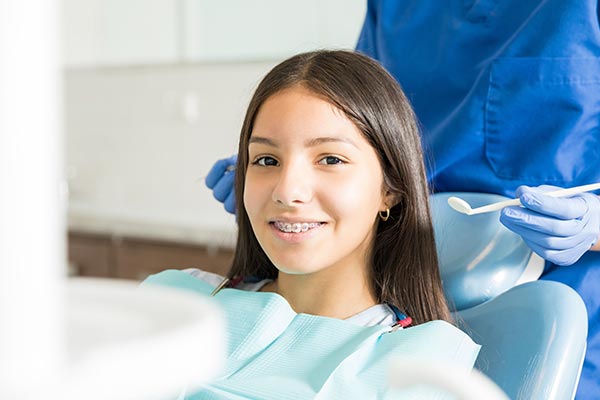
Orthodontic treatment during the teen years can be one of the most effective and confidence-building interventions a family pursues. By ages 12 to 17, most permanent teeth (aside from wisdom teeth) have emerged, and jaw growth is often predictable enough for purposeful correction. This window makes it possible to identify alignment issues, bite discrepancies, and jaw relationship concerns early enough to guide growth or reposition teeth efficiently. For many families, timely orthodontic care sets the stage for a lifetime of better oral function and a smile their teen can feel proud of.
Adolescence brings predictable patterns of dental and skeletal development that orthodontists use to plan treatment. At this stage, the majority of adult teeth are present, so issues such as crowding, spacing, overbite, underbite, and crossbite are visible and measurable. Because the facial bones are still growing, certain problems can be addressed more conservatively than they might be in adulthood, and treatment timing can be optimized to take advantage of natural development.
Early identification matters: catching alignment or bite problems while growth is ongoing often allows for less invasive approaches and can reduce the need for more complex procedures later. That said, not every teen needs early intervention—some conditions benefit from observation until a specific growth milestone is reached. A thorough evaluation helps determine the right moment to begin treatment so the plan is both efficient and predictable.
Beyond biology, the teen years are also when habits form. Establishing routines for oral hygiene, appliance care, and consistent follow-up appointments is typically easier while families are closely involved. With the right guidance and support, adolescents can learn the skills that make orthodontic care successful and long-lasting.
Straightening teeth does more than change a smile’s appearance — it improves how the teeth come together and function. Correct tooth alignment helps with chewing efficiency, speech clarity, and even reduces abnormal wear on tooth surfaces. Properly aligned teeth are easier to clean, which lowers the risk of tooth decay and gum problems over time. Addressing bite issues can also reduce strain on the jaw joints and surrounding muscles, potentially decreasing the chance of recurring headaches or TMJ-related discomfort.
For many teens, dental appearance is closely tied to self-image. Crooked, crowded, or protruding teeth can contribute to self-consciousness during a time when social interactions matter greatly. Thoughtful orthodontic treatment helps teens feel more comfortable smiling and engaging with peers, which can support emotional well-being and social development without focusing on cosmetic changes alone — the emphasis is on health, function, and a smile that works as well as it looks.
Orthodontic care also supports long-term dental preservation. By positioning teeth in a stable, functional relationship, treatment reduces the likelihood of certain injuries, fractures, and periodontal complications. In this sense, braces or aligners are an investment in both present confidence and future oral health.
Today’s orthodontic therapies are more varied and discreet than ever, giving teens options that suit their lifestyle and preferences. Traditional metal braces remain highly effective and are smaller and more comfortable than older designs. Clear ceramic brackets provide a less noticeable alternative for teens who want the reliability of braces with a subtler appearance. Self-ligating systems and low-friction mechanics can improve comfort and may reduce the number of adjustment appointments for some patients.
Clear aligner systems offer a removable, aesthetic option that many image-conscious teens prefer. Aligners are custom-made to guide teeth through a planned sequence of movements and are especially convenient for sports and musical activities because they can be removed when necessary. Proper wear time and diligent care are essential for aligners to work effectively, so success depends on a teen’s commitment and routine.
Choice of treatment is personalized based on the teen’s dental condition, activity level, cosmetic preferences, and the clinical judgment of the orthodontist. During an evaluation, the team will review the options, explain expected outcomes, and recommend the approach that best balances health goals with the teen’s day-to-day life.
Orthodontic treatment timelines vary according to the complexity of the case and the method chosen. Many adolescent treatments fall within a predictable range, but the exact duration depends on how much movement is required and how consistently the patient follows care instructions. Regular progress visits—typically every four to eight weeks—allow the orthodontic team to monitor movement, make adjustments, and keep the treatment on track.
Initial discomfort is common as teeth begin to move, but it is usually manageable and temporary. Modern techniques and appliances aim to minimize soreness, and there are straightforward ways to relieve discomfort through simple home care measures. The practice prioritizes patient comfort at every step, explaining what sensations to expect and offering practical tips for eating, speaking, and maintaining oral hygiene while in treatment.
Good communication makes a big difference: teens and parents should feel empowered to ask questions about daily care, sports protection, or managing braces during school or activities. With clear expectations and support from the orthodontic team, most families find the appointment schedule and routine care easily integrated into their lives.
Active participation from both the teen and their caregivers is key to a successful outcome. Consistent oral hygiene—brushing thoroughly, cleaning around appliances, and using recommended tools—reduces the risk of decay and gum irritation. Following appliance-specific instructions, such as wearing elastics as directed or keeping aligners in for the prescribed hours each day, has a direct impact on how quickly and effectively treatment progresses.
Dietary adjustments are another practical step: avoiding particularly hard, sticky, or crunchy foods protects brackets and wires from damage. For contact sports, a properly fitted mouthguard helps protect both teeth and braces. The practice can advise on protective options that work well with different types of appliances to keep teens safe while they stay active.
Retention after active movement is a critical phase. Retainers—whether removable or fixed—help maintain the new tooth positions while the surrounding bone and tissues adapt. The orthodontist will discuss a retention plan tailored to the individual, including wear schedules and follow-up visits to ensure the stability of the treatment over time.
At Longo Dietz Orthodontics, we aim to provide teen patients and their families with clear guidance, modern treatment choices, and compassionate support through every stage of care. Serving families in Omaha and Bellevue, our team focuses on thoughtful planning and excellent communication so each teen gets a safe, effective plan tailored to their needs. Contact us to learn more about teen orthodontic options and what to expect for your child’s smile.
An orthodontic evaluation is recommended once most permanent teeth have come in so that alignment and bite relationships can be assessed reliably. For many teens this occurs between about ages 12 and 17, when jaw growth is still occurring and treatment can often be timed to use natural development to the patient’s advantage. Early evaluation does not always mean immediate treatment, but it allows the orthodontist to monitor growth and recommend the optimal start time.
If you notice crowded or rotated teeth, trouble biting, jaw asymmetry, or persistent habits such as thumb-sucking, arrange an appointment sooner to address potential concerns. During the first visit the orthodontist will review dental history, perform an exam, and determine whether diagnostic records are needed. This process helps families understand options and plan for efficient, predictable care.
The teen years combine predictable growth patterns with the presence of most permanent teeth, which makes orthodontic correction both efficient and effective. Because facial bones continue to develop during adolescence, certain bite and jaw relationship issues can be guided with less invasive approaches than are sometimes required in adulthood. This period also allows clinicians to address crowding, spacing, and bite discrepancies before those problems become more complex.
Beyond biological factors, teens are often able to establish routines for oral hygiene and appliance care with family support, which improves treatment outcomes. Timely intervention can reduce long-term dental wear, lower the risk of gum problems, and improve overall oral function. Thoughtful timing balances clinical objectives with each teen’s growth and lifestyle needs.
Treatment choices for adolescents include traditional metal braces, ceramic brackets, self-ligating systems, and clear aligner therapies, with the selection based on clinical needs and lifestyle preferences. Metal braces remain a highly controlled method for moving teeth, while ceramic brackets provide a less noticeable appearance for teens who prefer a subtler look. Self-ligating brackets can reduce friction and occasional adjustment visits, and clear aligners offer a removable, aesthetic option when patient compliance is reliable.
The orthodontist will review the benefits and limitations of each approach during an evaluation and recommend the best option for the individual case. Factors such as the complexity of tooth movements, involvement of jaw alignment, athletic participation, and daily habits all inform the decision. Personalized treatment planning ensures the chosen therapy supports both health and social considerations for the teen.
Clear aligners are removable, transparent trays that move teeth through a planned sequence and are often favored for their aesthetic and convenience advantages. They are particularly useful for teens who need fewer complex tooth movements and who can commit to wearing aligners for the prescribed hours each day. Braces, including metal and ceramic systems, provide continuous control and may be the preferred choice for more complicated movements or when precise tooth rotation and vertical adjustments are required.
Successful aligner treatment depends on consistent wear, good oral hygiene, and regular monitoring by the orthodontic team. Braces require careful cleaning around brackets and wires but do not rely on patient removal for effectiveness. The orthodontist will weigh the teen’s motivation, treatment goals, and clinical needs to determine which option is most appropriate.
Treatment duration varies with the complexity of the case, the chosen appliance, and how closely care instructions are followed by the patient. Many adolescent treatments fall within a predictable timeframe, but some cases require additional time for jaw growth coordination or more extensive tooth movement. Regular progress visits—typically every four to eight weeks—help the orthodontist monitor changes and make adjustments to keep treatment on track.
Patient compliance with appliance care, elastics, or aligner wear has a direct impact on how long treatment lasts, and consistent follow-up reduces unexpected delays. The orthodontist will provide an estimated timeline during planning and update it as treatment progresses. Having clear expectations and open communication helps families integrate appointments into daily life.
Maintaining strong oral hygiene is essential while braces or aligners are in use because appliances can trap food and plaque that increase the risk of decay and gum irritation. Encourage regular brushing with techniques recommended by the orthodontist, daily flossing or the use of interdental brushes around brackets, and thorough cleaning of removable aligners according to practice instructions. Consistent routines and the right tools make it much easier for teens to keep their teeth healthy during active treatment.
Parents can support teens by helping establish a schedule for cleaning after meals and by attending appointments when possible to stay informed about recommended care. Avoiding particularly hard, sticky, or crunchy foods protects brackets and wires from damage and reduces emergency visits. The orthodontic team will provide tailored advice and demonstrations so families feel confident maintaining oral health throughout treatment.
Initial records and an orthodontic exam typically include a clinical evaluation, photographs, and digital or physical impressions as needed to develop a customized plan. Adjustment visits focus on monitoring progress, changing wires or aligner trays, and making small refinements to guide tooth movement; these appointments are usually scheduled every four to eight weeks depending on the treatment. The orthodontist and team will explain what is happening at each visit so teens and caregivers understand the purpose of procedures and the expected next steps.
Mild discomfort or pressure after adjustments is normal and usually resolves within a few days with routine home care measures. The office staff will also review hygiene techniques, appliance care, and instructions for sports protection or managing school activities. Open communication about concerns or changes helps the team address issues promptly and keep treatment moving smoothly.
Most teens continue to participate in sports and music while undergoing orthodontic treatment, but some adjustments are needed to protect appliances and oral health. For contact sports, a properly fitted mouthguard designed to accommodate braces or aligners is recommended to reduce the risk of dental injury; many orthodontic practices can advise or provide protection options. Musicians who play wind or brass instruments can usually adapt to braces or aligners, and the team will offer tips to manage lip or tongue contact during the adjustment period.
Clear aligners can be removed for brief activities when appropriate, which some teens find convenient for performance or practice, but consistent wear must be maintained for treatment to be effective. The orthodontist will review activity-specific guidance, suggest protective equipment, and help plan around events so teens can stay active without compromising treatment. Planning ahead and communicating with coaches or instructors ensures a safe balance between orthodontic care and extracurricular interests.
Retention is a critical phase that helps maintain the new tooth positions while surrounding bone and soft tissues adapt following active movement. Retainers can be removable or fixed, and the orthodontist will recommend a retention plan tailored to the patient’s needs, including wear schedules and follow-up visits. Proper retainer use significantly reduces the likelihood of relapse and supports the long-term stability of the result.
Care for removable retainers includes regular cleaning and safe storage when not in use, while fixed retainers require attention to flossing and professional monitoring. The orthodontic team will provide instructions and reminders to help teens transition from active treatment to a successful retention protocol. Ongoing, periodic checkups allow the orthodontist to confirm stability and address any changes promptly.
Longo Dietz Orthodontics focuses on individualized care that balances health, function, and appearance when planning orthodontic treatment for adolescents. Initial evaluations include a thorough clinical assessment and any necessary diagnostic records so the team can recommend timing and appliance options that align with each teen’s growth pattern and lifestyle. The practice prioritizes clear communication so families understand the expected sequence of care and the goals for long-term oral health.
Treatment planning considers the full range of modern options—braces, self-ligating systems, ceramic brackets, and clear aligners—and selects the approach that best suits the clinical needs and daily life of the patient. Families in Omaha and Bellevue are encouraged to ask questions about daily care, sports protection, and retention so the team can tailor support and ensure predictable outcomes. Regular follow-up and collaborative guidance help teens complete treatment with improved function and a confident smile.